
Aged care homes · Retirement villages · Seniors at home
Aged Care Cleaning in Melbourne
Aged care cleaning in Melbourne for the managers who run residential homes and retirement villages, and for older people and families who want reliable help at home. Every cleaner holds a current police certificate or worker screening clearance, knows infection control, and works around residents' meals, rest and visitors. Each visit ends with a written log you can read.
- Police-checked or NDIS-screened
- Infection-control trained
- A written log after every visit
- Insured, Melbourne-based crews
Who needs cleaning?
Not sure which fits? Pick the closest and tell us the rest in the form.
The basics
What does aged care cleaning in Melbourne involve?
Aged care cleaning in Melbourne is the daily and periodic cleaning of places where older people live, done in a way that lowers infection risk, keeps floors and walkways safe, and respects that each room is somebody's home rather than a workplace.
It looks like commercial cleaning from a distance. Up close it runs on different rules. Residents are more vulnerable to infection, so the order of work matters as much as the products. A gastro bug that would pass through an office in a week can move through a care home in two days.
The second difference is people. A cleaner might be the only new face a resident sees before lunch. Ours knock, say who they are, and ask before moving anything on a bedside table. That courtesy takes a few seconds and changes how the whole service is received.
The third is proof. Providers are assessed on the environment they keep, so the cleaning has to leave a trail: what was done, where, when and by whom.
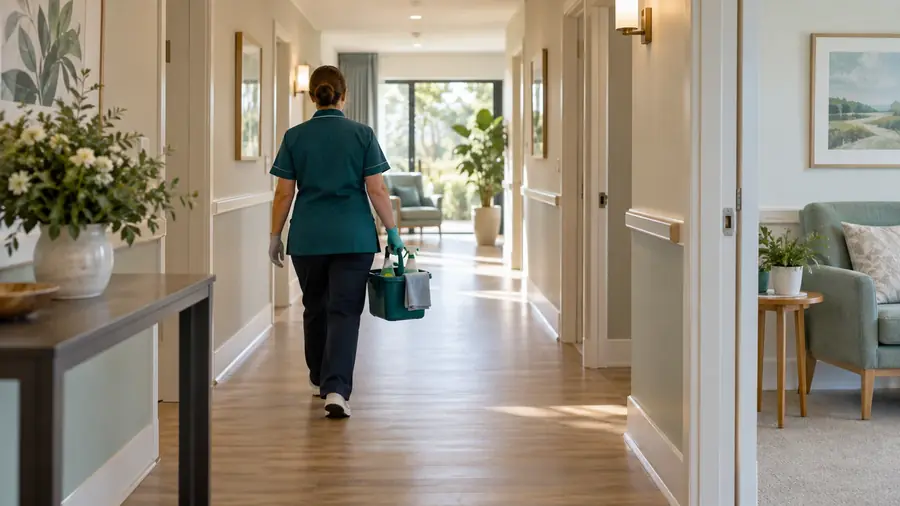
- Lower infection riskHigh-touch points on a timed round, colour-coded cloths, dirty areas last.
- Home, not wardQuiet work near rooms, personal items left where residents keep them.
- Written proofA log per shift and a monthly summary for your quality file.
Services
Which aged care cleaning services do we offer?
Our aged care cleaning services come in three forms: contract cleaning for residential aged care homes and retirement villages, regular or one-off cleaning for seniors living at home, and help understanding cleaning funded through My Aged Care and the Support at Home program.
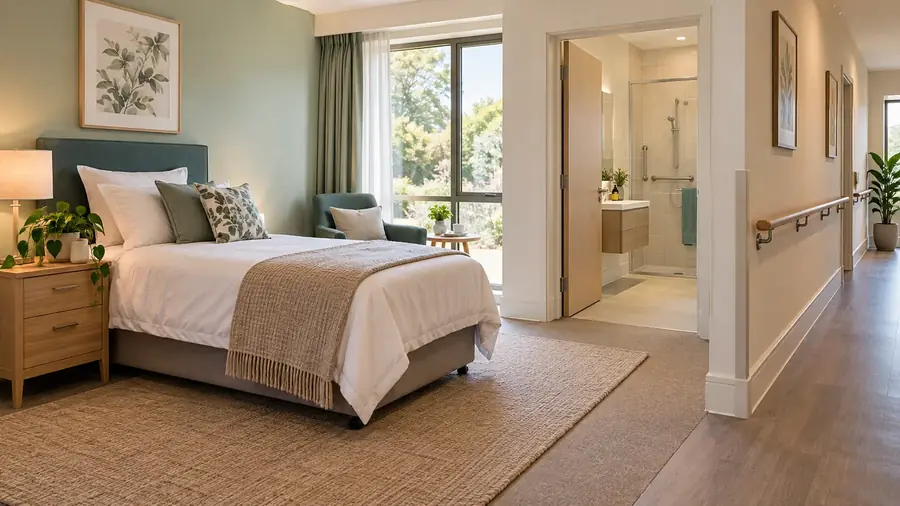
Aged care homes and villages
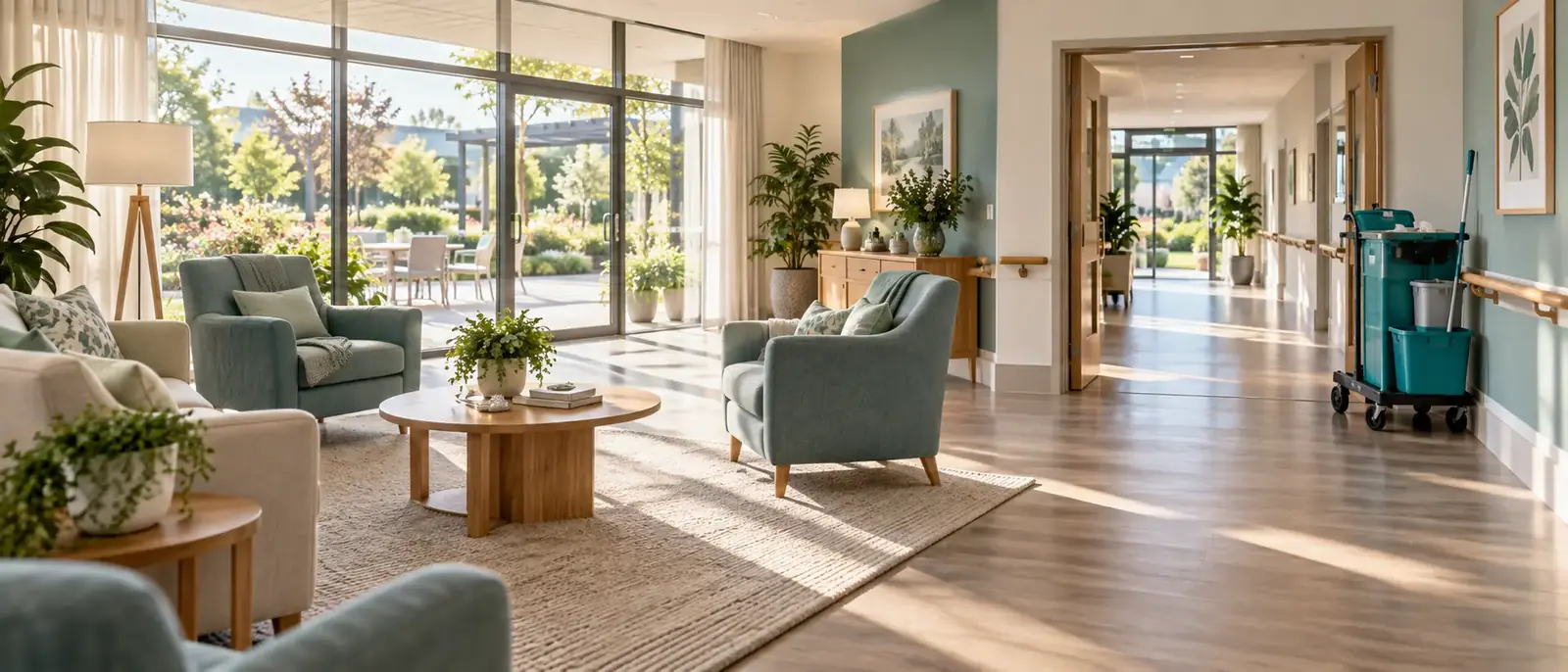
Daily cleaning of resident rooms, ensuites, dining rooms, lounges, corridors and staff areas, with night floor care if you want it. Rosters are set with your care manager so cleaning never collides with meals or medication rounds.
Aged care facility cleaning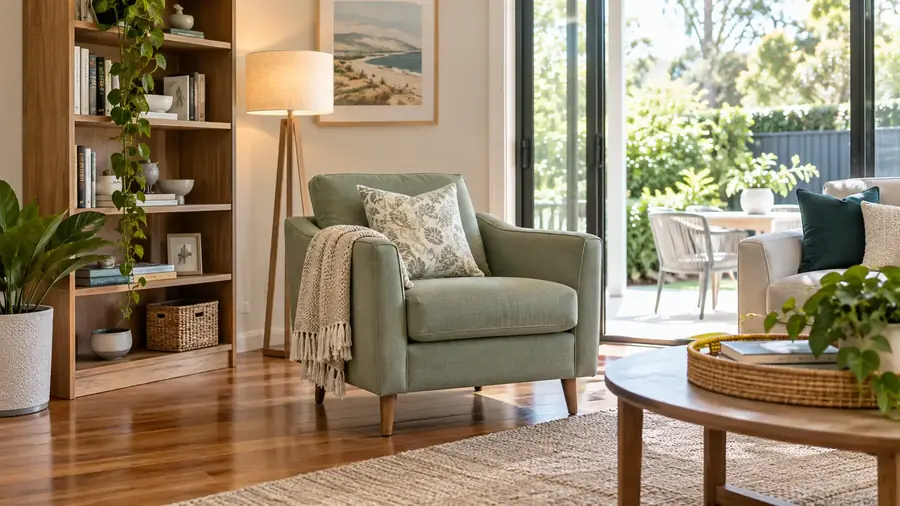
Seniors living at home
Kitchens, bathrooms, floors, beds and dusting for older people who want to stay in their own place. The same cleaner visits each time where we can manage it, and families can book, pay and receive the notes.
Senior home cleaning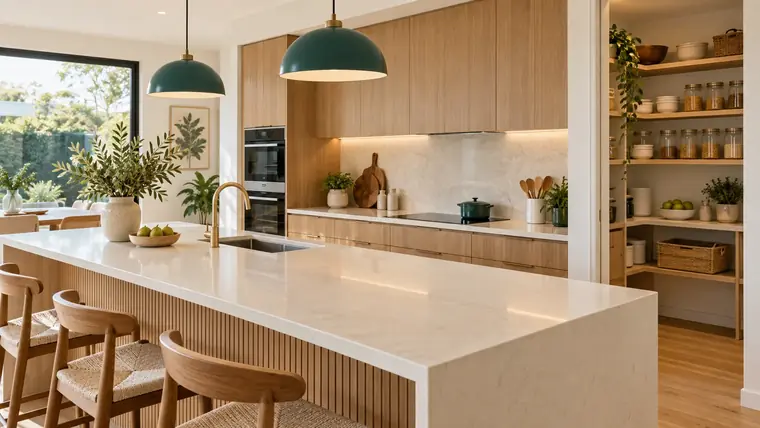
Funded cleaning explained
Domestic help is one of the everyday living services under Support at Home. We explain the assessment, what cleaning is covered, what you contribute, and how private visits can fill the gap during a long wait.
Cleaning through My Aged CareResidential aged care and retirement living
How do we clean residential aged care and retirement living?
We clean residential aged care and retirement villages on a written roster built around the residents' day: rooms while residents are at meals, common areas after activities, quiet tasks during rest, and machine work at night, with high-touch points wiped on set rounds.
Before the first shift we walk the site with your facility manager and the infection prevention and control lead. Every residential home has one, and their outbreak plan becomes part of ours. We note which rooms have residents who prefer a set time, who is on contact precautions, and where the dirty utility rooms and chemical storage sit. Retirement villages differ: residents live independently, so the work centres on shared spaces, and unit cleans are booked by residents who want them. Full detail, including kitchens and wing plans, is on our facility and village cleaning page.
Walkways first
Corridors dry-mopped, handrails and lift buttons wiped, staff toilets and the tea room done. Floors are dry before the first resident walks to breakfast.
Rooms while they are empty
We stay out of the dining room. Resident rooms that empty for breakfast get their full clean now: high surfaces, bed area, ensuite, then the floor.
Lounges and the first touch round
Activity rooms and lounges after the morning session, plus the first round of door handles, call buttons, remotes, tray tables and chair arms.
Quiet work only
No vacuums or floor machines near rooms where people nap. Dusting, glass and wiping in shared spaces instead, and restocking the cleaners' store.
The front of house
Reception, visitor toilets, lifts and the entry glass get a second touch round, so families walk into a building that feels looked after.
Dining and dirty areas
Dining room floors and servery surfaces, bins, pan rooms and dirty utility rooms. These are left until last so nothing travels back into clean areas.
Overnight, where the home wants it: scrubbing and burnishing corridors and dining floors with wet-floor signs out and one side kept dry for night staff and residents who get up. Times above are an example; we set the real roster with your care manager.
- Kitchen benches, stovetop and sink
- Bathroom rails, shower screen and non-slip mat
- Bed changed, floors mopped and walked dry
- Bins out for Wednesday collection
Worth a look: milk and yoghurt past their dates, left on the bench rather than thrown out.
Seniors at home
What does cleaning for seniors at home look like?
Cleaning for seniors at home is a regular or one-off visit from the same screened cleaner, covering kitchen, bathroom, floors, beds and dusting, done at an unhurried pace, with walkways kept clear and floors left dry so the home stays safe to move around.
Most of our home clients are in their late seventies or older and still very much in charge of their own house. We clean the way they want it cleaned. If the good china lives on the bench, it stays on the bench.
Habits that help prevent falls
- Floors washed with a near-dry mop, then walked dry before we leave
- Rugs flattened, cords tucked away, nothing left on the stairs
- Shower screens, rails and non-slip mats cleaned so grip is not lost
- Bins and heavy items left where they can be reached without a stool
Families often book on behalf of a parent. We send a short note after each visit and flag anything that looks wrong, such as a fridge full of old food. Read more about our home visits for older Melbourne residents. If you already hold a Support at Home budget, our guide to funded cleaning and what it costs you sets out the steps.
Infection control
How do infection control and clean zones shape every clean?
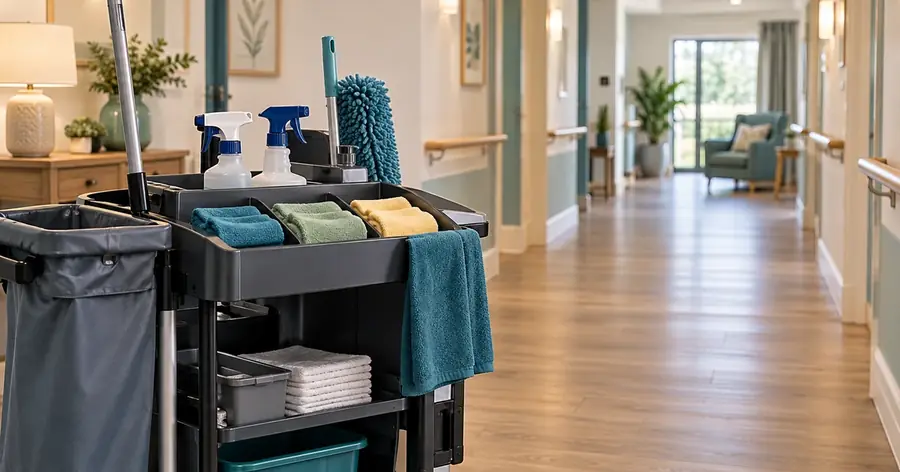
Infection control decides the order of every clean: cleaner areas before dirty ones, high surfaces before low, and the toilet and floor last, with colour-coded cloths kept to their zone so germs from a bathroom never reach a bedside table or a kitchen bench.
- 1
At the door
Hand hygiene, gloves on, and a check of the door sign for any precautions.
- 2
High first
Shelves, frames and ledges, working down so dust falls to what is still to be done.
- 3
Touch points
Bed rails, call bell, light switches, remote, door handle, chair arms.
- 4
Room surfaces
Bedside table, wardrobe fronts, tray table, windowsill.
- 5
Ensuite
Basin and taps, grab rails, shower, then the toilet with its own cloth.
- 6
Floor out
From the far corner back to the door, cloths bagged, hands washed.
| Area | Routine day | During an outbreak |
|---|---|---|
| Touch points | Once or twice a day on set rounds | At least twice a day, more in affected wings, as the outbreak plan sets |
| Products | Neutral detergent for most surfaces | Detergent, then a TGA-listed disinfectant suited to the organism, such as chlorine for norovirus |
| Order | Clean areas to dirty areas | Unaffected rooms first, affected rooms last, with a separate trolley where possible |
| Cloths and mops | Colour-coded and laundered | Fresh cloths and mop heads for each affected room |
| PPE | Gloves, apron when needed | Whatever the home's plan lists, often gown, mask and eye protection |
| Records | Shift log | Extra log of affected rooms and times, handed to the IPC lead |
Products follow the Australian Guidelines for the Prevention and Control of Infection in Healthcare, which call for detergent on routine surfaces and a disinfectant where a known infection is present. More disinfectant is not better: a product used on a dirty surface, or wiped off before its contact time, does very little. Our environmental cleaning in aged care guide covers spills, body fluids and product choice step by step.
Standards and records
How do our cleaning records support the Aged Care Quality Standards?
Our cleaning records support the strengthened Aged Care Quality Standards by giving providers dated evidence of how the environment is kept clean and how infection risk is handled. The provider stays responsible for meeting the Standards; the records help them show it.
The strengthened Standards started on 1 November 2025 alongside the new Aged Care Act. Two outcomes touch cleaning most directly, and assessors from the Aged Care Quality and Safety Commission will ask to see how both are met in practice.
- Outcome 4.1Environment and equipment: a service setting that is clean, safe and suited to the people who live there.
- Outcome 4.2Infection prevention and control: hygienic practice and the right precautions from every worker, including contractors.
We cannot make any provider compliant, and anyone who says they can is overselling. What we can do is hand over clean, honest paperwork each month: shift logs, spot-check scores, outbreak records and a note of anything that needs repair. Our guide to aged care cleaning standards includes a free checklist you can print.
| Area | Time | Task | By | Status |
|---|---|---|---|---|
| Corridor | 06:45 | Rails, lift panel, dry mop | RT | Done |
| Room 3 | 08:40 | Full clean and ensuite | RT | Done |
| Room 7 | 09:15 | Contact precautions, own cloths | JL | Done |
| Lounge | 11:05 | Touch round 1 | JL | Done |
| Room 12 | 10:05 | Full clean, bed linen changed | RT | Done |
| Dining | 13:10 | Tables, chairs, servery | RT | Done |
| Reception | 15:30 | Touch round 2, visitor toilet | JL | Done |
| Staff room | 14:10 | Kitchenette, fridge handles, bins | JL | Done |
| Lift lobby | 17:45 | Buttons, rails, glass | JL | Done |
| Utility | 19:20 | Pan room, bins, sink | RT | Done |
Choosing a contractor
How do you choose an aged care cleaning company?
Choose an aged care cleaning company that can show you, in writing, each cleaner's screening, their infection-control training, a current insurance certificate, sample records and an outbreak plan. If any of the five is missing, keep looking, however low the price.
From 1 November 2025 every aged care worker, including cleaners and contractors, needs a police certificate issued in the last three years or an NDIS worker screening clearance, as set out in the Department of Health's aged care worker screening requirements. Ask to see them. These are the questions we would ask any of the aged care cleaners and companies on your shortlist, ourselves included.
Screening
A list of every cleaner with the date of their police certificate or clearance, shared before the first shift
"They are all checked" and nothing on paper
Training
Named infection-control and hand hygiene training with completion dates, plus a site induction
"They have been cleaning for years"
Insurance
Their insurer's paperwork for public liability, dated this year, plus proof of workers compensation
A promise to send it later
Records
A sample shift log and spot-check sheet you can keep on your quality file
Records held only in their own app
Outbreaks
Extra hours within a day, the same cleaners, and a price for the step-up agreed now
"We will work it out if it happens"
Staff
The same small team on your roster, with named cover for leave
New faces most weeks, or unnamed subcontractors
We hand every one of these over before a contract is signed. You can read about us and how we screen, train and roster our Melbourne aged care cleaners, or ask to meet the team lead who would run your site.
Ask for our paperworkPricing
What does aged care cleaning cost in Melbourne?
Aged care cleaning in Melbourne usually costs between $55 and $80 per cleaner hour for facilities, and $55 to $70 an hour for private home visits. Outbreak cleans and night work sit higher. The ranges below are a guide; your written quote is the figure that counts.
Aged care home
$55 to $80
per cleaner hour, plus GST
- Priced from a free site walk
- Beds, wings and shared areas
- Shift logs and monthly summary
Outbreak or deep clean
$70 to $95
per cleaner hour, plus GST
- Extra hours within a day
- Disinfectant, fresh cloths per room
- After-hours loadings shown upfront
Retirement village
$55 to $72
per hour, or a fixed monthly fee
- Clubhouse, pool and gym
- Corridors, lifts and entry glass
- Unit cleans billed to residents
Private home visit
$55 to $70
per hour, two-hour minimum
- Weekly, fortnightly or one-off
- Same hourly rate either way
- Visit note for the family
What moves the price
- Number of beds or units, and how many wings and floors
- Hours of cover a day, and whether nights or weekends are included
- Floor types and how much machine work they need
- Travel for homes in outer suburbs, shown on the quote
If cleaning is funded
Under Support at Home, cleaning is an everyday living service. The price is set by your registered provider, and your share depends on an income and assets assessment, with full pensioners paying the least. My Aged Care explains the contributions and has an estimator.
Service area
Where do we work across Melbourne?
We clean aged care homes, retirement villages and private homes across metropolitan Melbourne, from the CBD fringe out to Werribee, Epping, Croydon, Berwick and Frankston, with each site served by a crew based in that part of the city.
Check my suburbNot on the list? We cover most suburbs in between, and the Mornington Peninsula and Yarra Valley by arrangement. Tell us the suburb when you ask for a quote and we will confirm the crew and any travel cost.
Inner Melbourne
- Carlton
- Fitzroy
- Richmond
- South Melbourne
- Brunswick
- Kew
North
- Coburg
- Preston
- Reservoir
- Bundoora
- Greensborough
- Epping
East
- Box Hill
- Doncaster
- Blackburn
- Ringwood
- Croydon
- Camberwell
South-east
- Glen Waverley
- Oakleigh
- Clayton
- Dandenong
- Narre Warren
- Berwick
Bayside and Frankston
- Brighton
- Sandringham
- Cheltenham
- Mentone
- Frankston
- Seaford
West
- Footscray
- Sunshine
- St Albans
- Williamstown
- Point Cook
- Werribee
Quotes
How do you get a quote?
Send the short form with the type of site, its size, the suburb and how often you need cleaning. Facilities get a free site walk and a written quote after it; home clients usually get a price by email within one business day.
- 1Tell us the basicsHome, village or house; beds or bedrooms; how often.
- 2Site walk or email checkFor facilities we walk every wing with your manager. For homes we confirm the details by email.
- 3Written quote and planHours, roster, products, outbreak step-up and the price, all on paper.
- 4First shifts, then a tune-upTwo weeks in, we sit down with your manager and change whatever the roster got wrong.
No lock-in contracts and no charge for the site walk. If you would rather read first, the aged care cleaning FAQ answers the usual questions.
FAQ
What do people ask before booking?
Short answers to the six questions we hear most from facility managers and families. The full list lives on the FAQ page.